Henna Tattoo
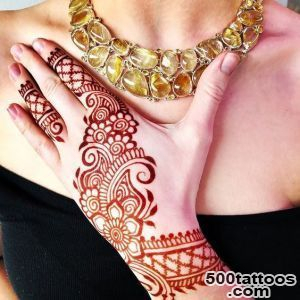
Henna-inspired tattoos translate the ornamental language of mehndi, a tradition rooted in South Asian, North African, and Middle Eastern celebrations, into permanent ink.
The original practice uses a plant-based paste that stains the skin for one to three weeks, but many people want the patterns to last forever.
Turning temporary henna into a permanent tattoo requires an artist who understands the tight spacing, symmetry, and flow that make mehndi patterns beautiful.
The cultural roots of mehndi
Mehndi has been part of weddings, festivals, and rites of passage in India, Pakistan, Morocco, and the Arabian Peninsula for centuries.
In Indian bridal traditions the depth of the henna color is said to predict the strength of the marriage.
Moroccan and Arabic styles tend to feature larger, more open floral motifs with bold outlines and generous negative space.
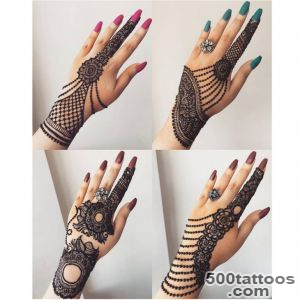
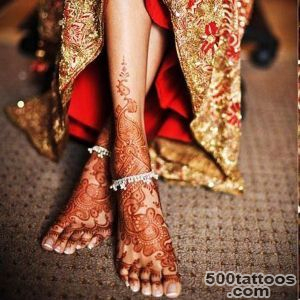
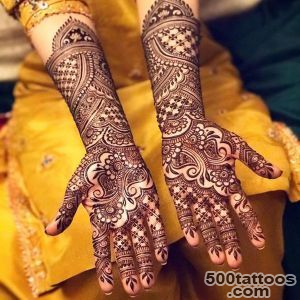
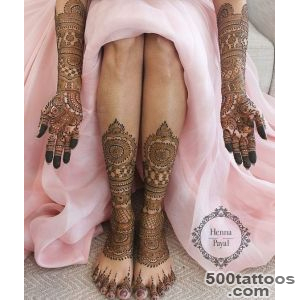
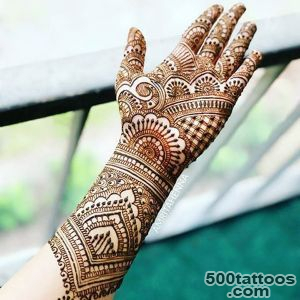
Indian patterns are typically denser, with fine lines filling every available surface in layered geometric and botanical detail.
Understanding which regional style you are drawn to helps the tattoo artist replicate the correct visual language.
Translating henna patterns into permanent tattoos
The biggest difference between henna paste and tattoo ink is that a tattoo needle creates sharper, thinner lines than a paste applicator can.
This means a skilled tattoo artist can actually add more precision to traditional henna patterns, but overly dense designs risk merging as the ink settles.
Leaving deliberate negative space between pattern elements is essential so the details remain distinct after years of natural ink spread.
Work with your artist to adapt a traditional layout rather than copying a photograph directly, because what works at paste scale may not work at tattoo scale.
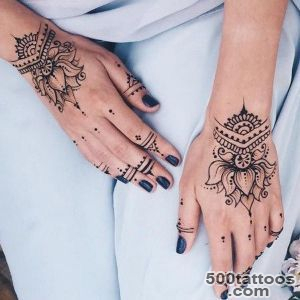
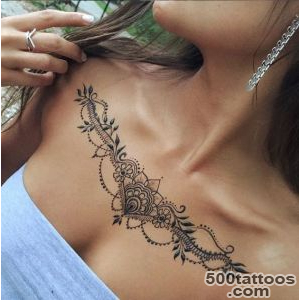
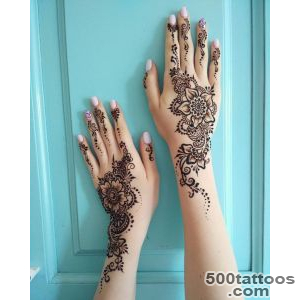
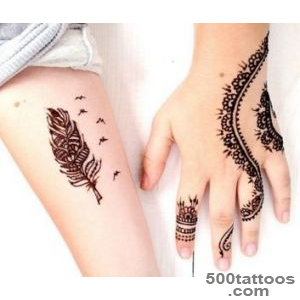
A floral motif translated from mehndi can look stunning in permanent ink when the spacing is adjusted correctly.
Motifs commonly used in henna-inspired tattoos
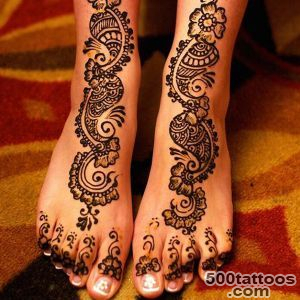
Paisley shapes, or buta, are the most recognizable mehndi element and flow naturally along forearms and hands.
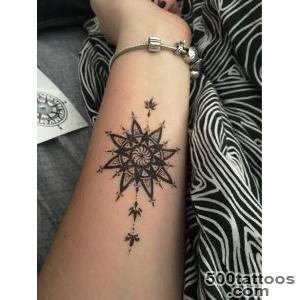
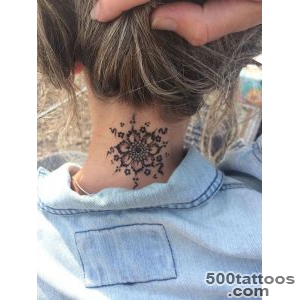
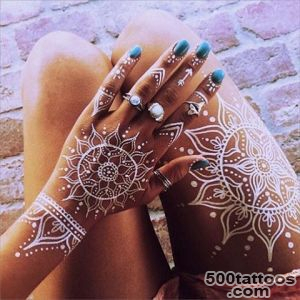
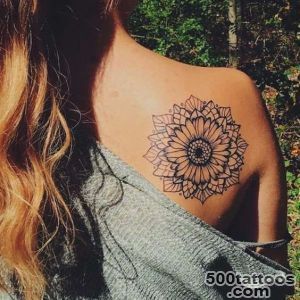
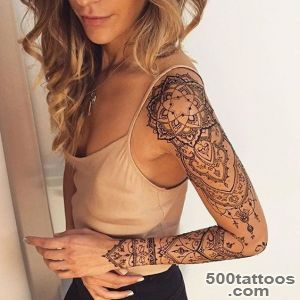
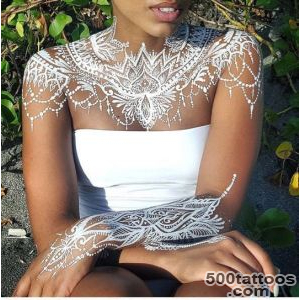
Mandala centers serve as focal points, radiating outward with petals, dots, and geometric bands.
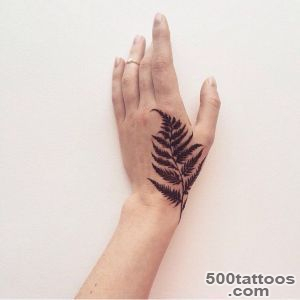
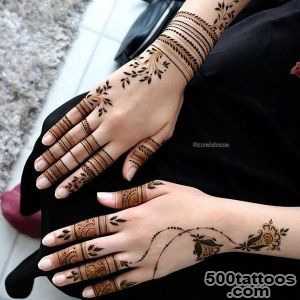
Vine and leaf patterns create connecting tissue between larger elements, guiding the eye along the limb.
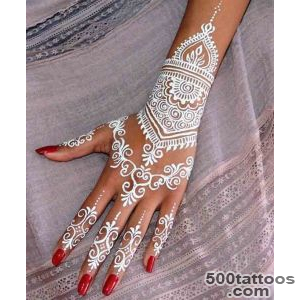
Fine dot clusters add texture and depth without filling the space with solid ink.
Peacock motifs, lotus flowers, and sun symbols appear frequently and carry their own layers of cultural meaning.
Best placements for henna-style tattoos
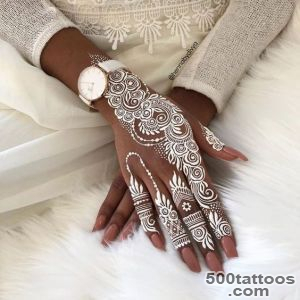
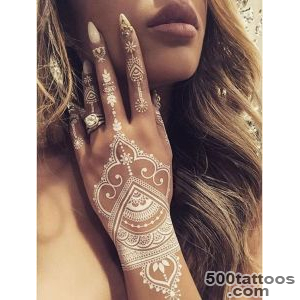
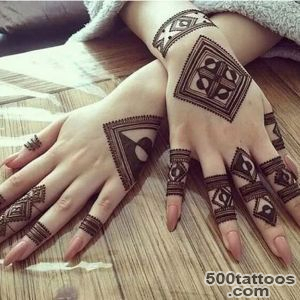
Hands and fingers are the traditional mehndi canvas, and they produce striking permanent tattoos, but hand tattoos fade faster and need more touch-ups.
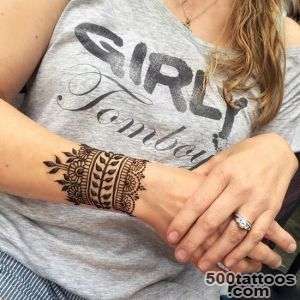
Forearms offer a long, visible surface that suits wrapping vine patterns and graduating mandalas perfectly.
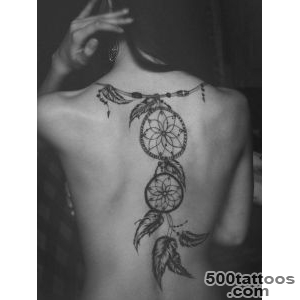
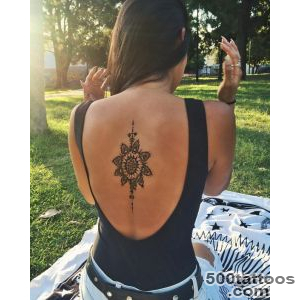
The upper back and shoulders allow large symmetrical compositions that frame the spine.
Calves and shins work well for vertical patterns that follow the bone line.
Avoid very small henna-style tattoos, because the intricate details need room to breathe or they will collapse into a blur.
Maintenance and longevity
Fine-line henna tattoos are among the most maintenance-intensive styles because thin lines soften faster than bold ones.
Moisturize regularly to keep the skin smooth and the contrast between ink and skin clean.
Schedule a touch-up after the first year to sharpen any dots or lines that have faded.
Sun exposure is the biggest enemy of detailed pattern work, so apply sunscreen to exposed tattoos whenever you are outdoors.
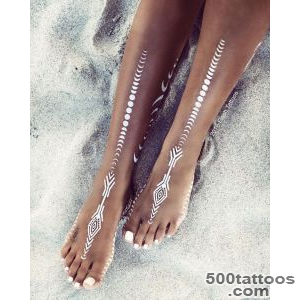
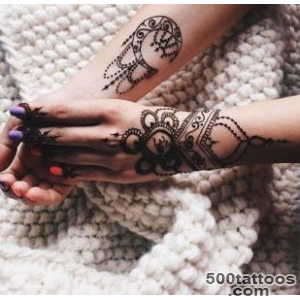
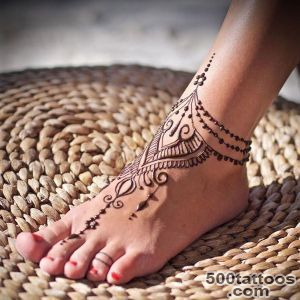
Henna Tattoo designs and images