Hawaiian tattoo
Hawaiian tattoos connect to an island culture where the ocean, family, and spiritual tradition are woven together so tightly that separating them from the art is impossible.
Traditional Hawaiian tattooing, called kakau, used bone and tusk tools to mark social status, genealogy, and spiritual protection directly onto the skin.
Modern tattoos inspired by Hawaiian culture borrow those motifs, but the line between appreciation and appropriation requires thought.
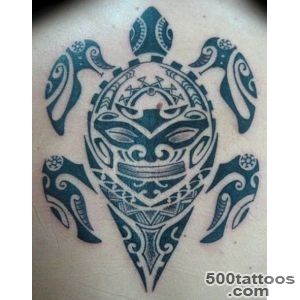
If a design carries the weight of a sea turtle as a guardian symbol, understanding its origin is part of earning the right to wear it.
Cultural roots of kakau
Kakau was not decorative; it was a record of identity, marking family lineage, accomplishments, and a person's role within the community.
The practice was nearly wiped out during the colonial era, making its revival a sensitive and important topic for Native Hawaiians.
Copying sacred patterns without understanding their meaning can be seen as disrespectful to the communities working to reclaim this heritage.
If you are not of Hawaiian descent, consider working with an artist who can create an original design inspired by the visual language rather than duplicating a traditional pattern.
Common Hawaiian motifs and their meanings
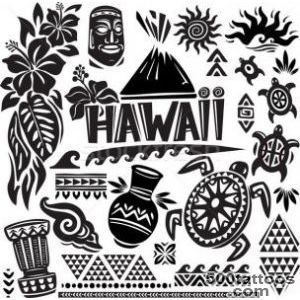
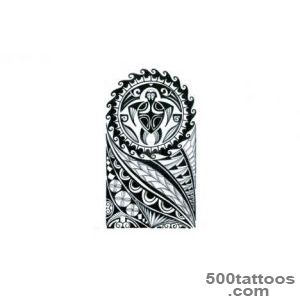
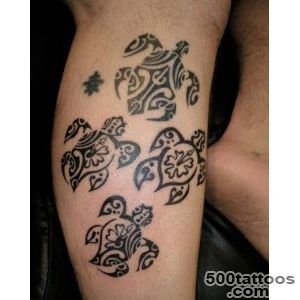
The honu, or green sea turtle, represents longevity, navigation, and family guardianship in Hawaiian belief.
Ocean waves and water patterns connect to the idea that the sea provides, protects, and tests those who depend on it.
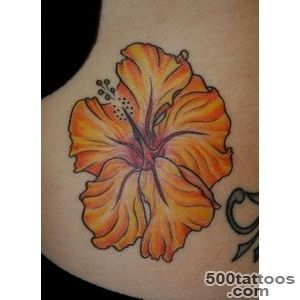
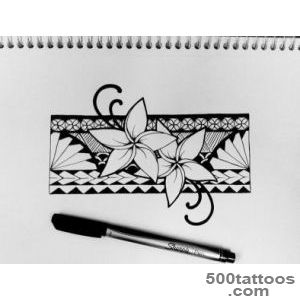
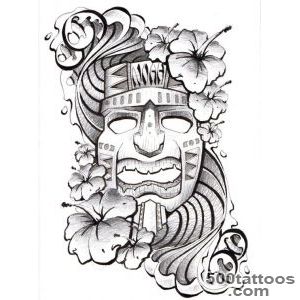
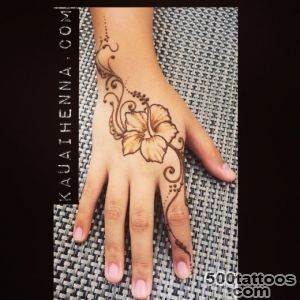
The hibiscus flower is tied to beauty, hospitality, and the warmth of the aloha spirit.
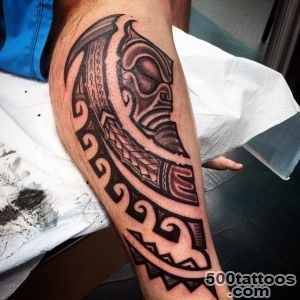
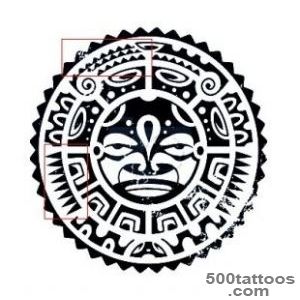
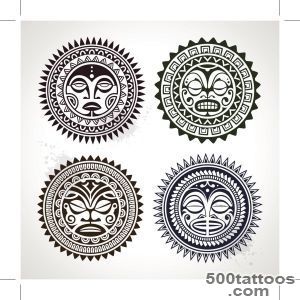
Tiki figures serve as protectors, each with a distinct expression that conveys a different kind of strength or wisdom.
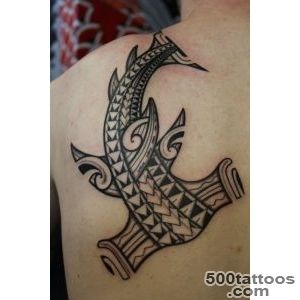
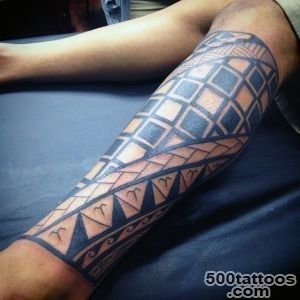
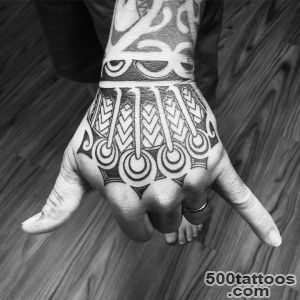
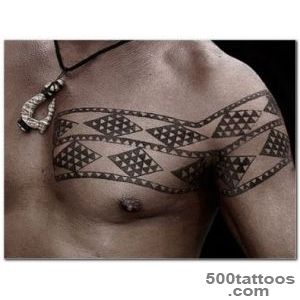
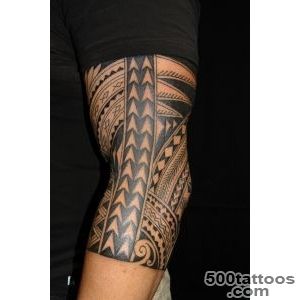
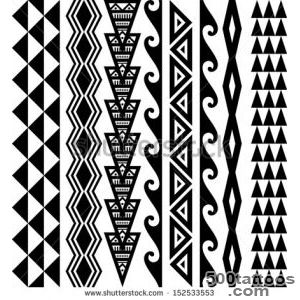
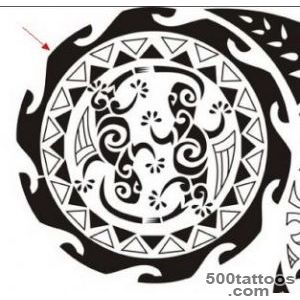
Geometric bands and triangular patterns called niho mano reference shark teeth and carry themes of adaptability and fierce protection.
Style choices for Hawaiian-inspired tattoos
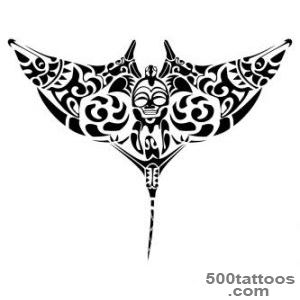
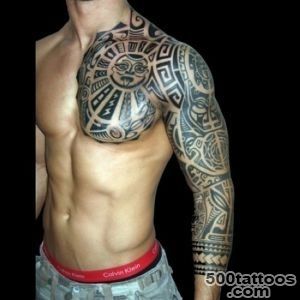
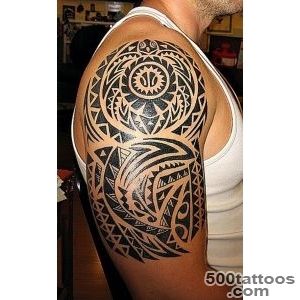
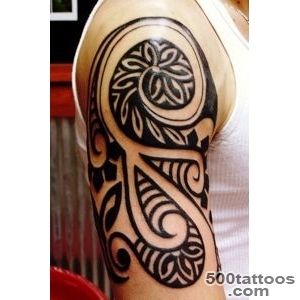
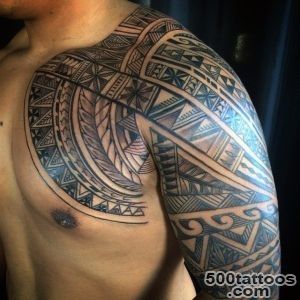
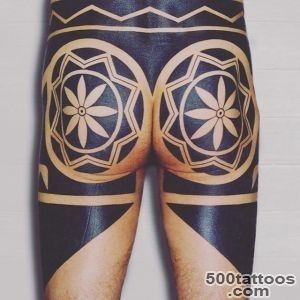
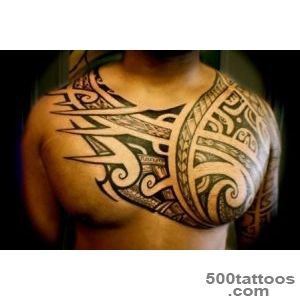
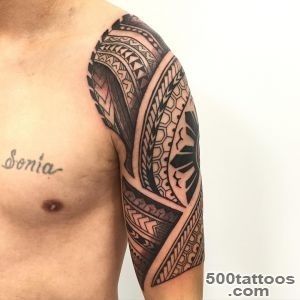
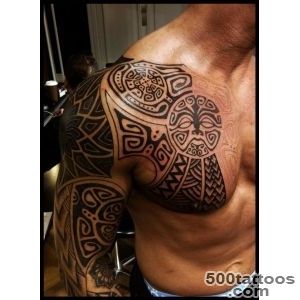
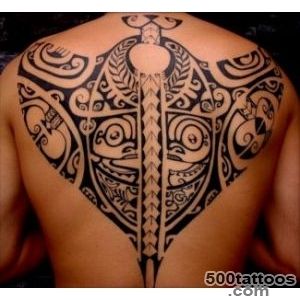
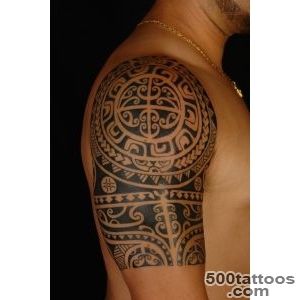
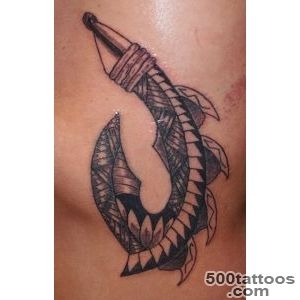
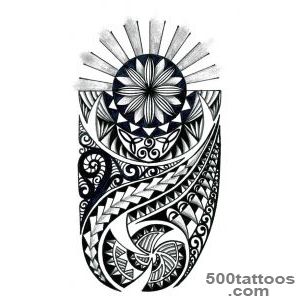
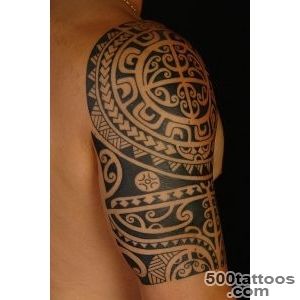
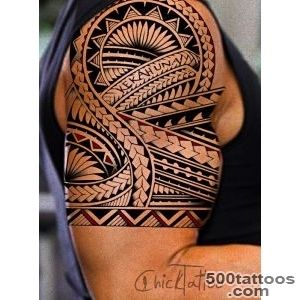
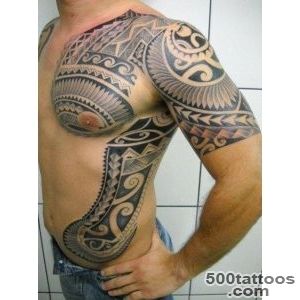
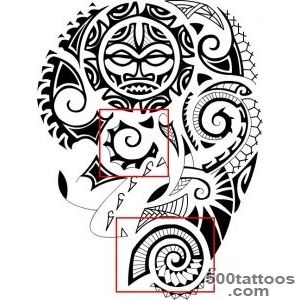
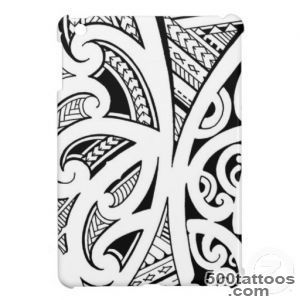
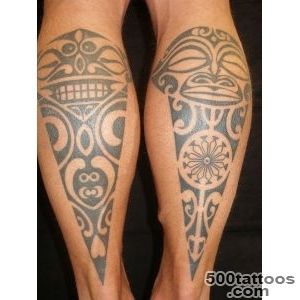
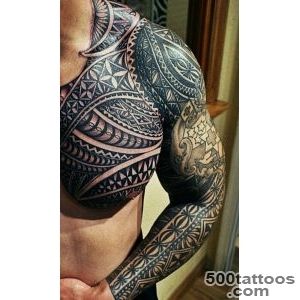
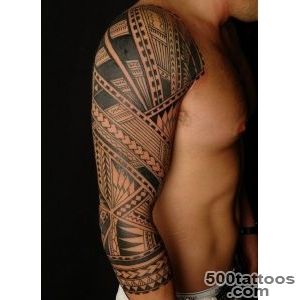
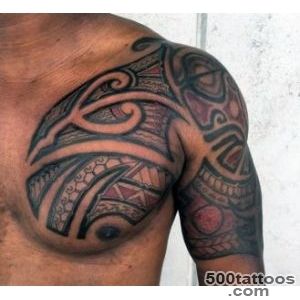
Bold blackwork is the closest modern equivalent to traditional kakau, keeping the graphic intensity and contrast of the original practice.
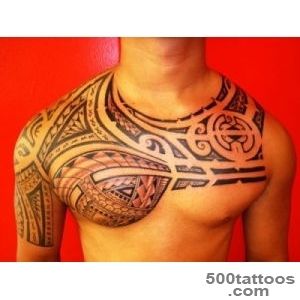
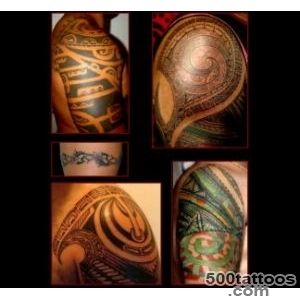
Some artists blend Hawaiian motifs with Polynesian or Samoan patterns, creating a broader Pacific Island composition.
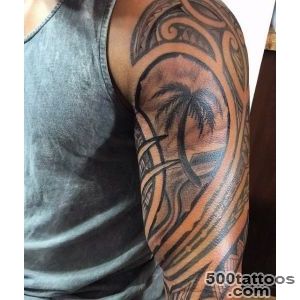
Watercolor or illustrative styles work for naturalistic elements like plumeria flowers, waves, or sunsets but move away from the traditional look.
If you want color, keep it restrained: turquoise for water, muted green for foliage, and warm tones for flowers.
Placement that follows island tradition
Traditional kakau placed patterns on the arms, legs, chest, and face, with location indicating social rank and personal history.
In modern tattoos, the upper arm and shoulder are the most popular spots for Hawaiian-inspired bands and motifs.
Full leg sleeves can accommodate flowing ocean scenes from thigh to ankle.
Smaller elements like a single turtle or a hibiscus bloom work on the forearm, calf, or behind the shoulder.
Respecting the source while making it personal
The safest approach is to work with an artist who specializes in Polynesian or Hawaiian-inspired tattoo art and understands which elements are sacred.
Adding personal touches, like your family's coordinates, a date, or a meaningful number, keeps the design rooted in your own story.
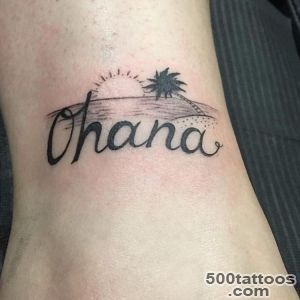
Avoid using Hawaiian words or phrases unless you understand the full meaning and have verified the spelling with a native speaker.
A respectful Hawaiian tattoo can honor the culture and your connection to the islands without crossing into territory that belongs to others.
Hawaiian tattoo designs and images