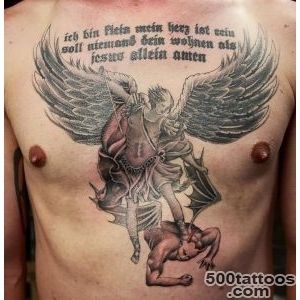
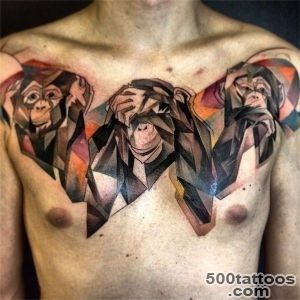
Evil tattoo
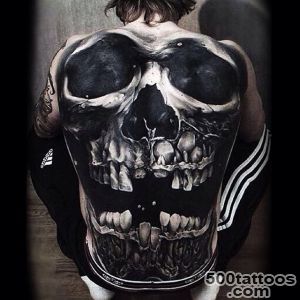
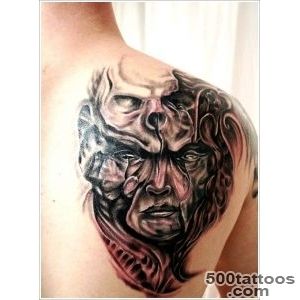
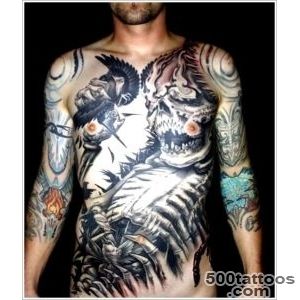
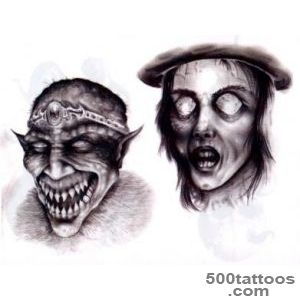
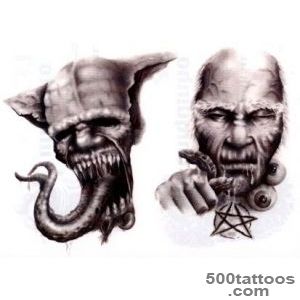
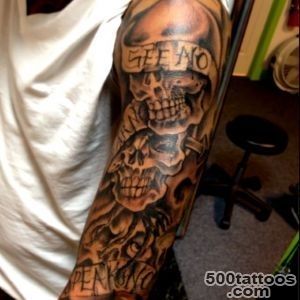
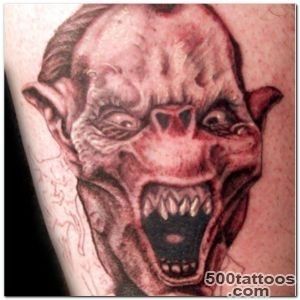
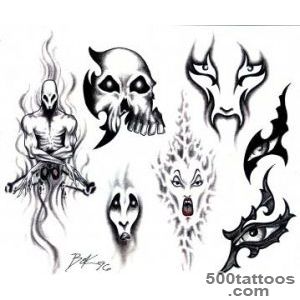
Evil tattoos explore the shadow side-demons, skulls, dark mythology, and imagery that confronts fear rather than avoiding it. For some, it's about embracing complexity; for others, it's pure aesthetic appreciation of dark art. The gothic style works well here.
Evil tattoo meaning and context
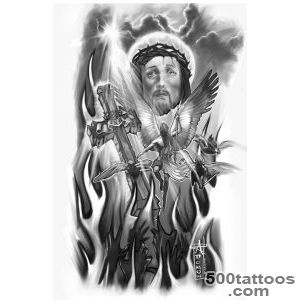
"Evil" in tattoo culture is rarely about endorsing harm. Instead, it often represents overcoming darkness, acknowledging inner struggles, or simply loving horror and gothic aesthetics. symbolic meaning can symbolize personal battles won; religious imagery remind us of mortality; dark mythology explores archetypes of fear and power.
Common evil tattoo themes
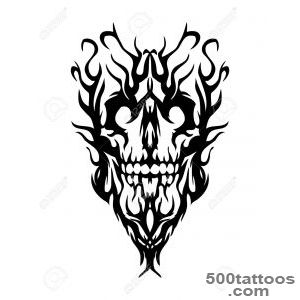
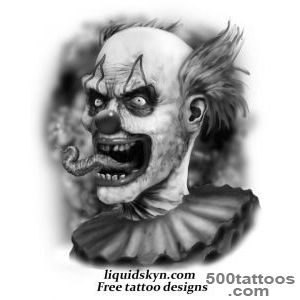
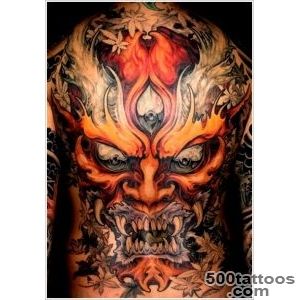
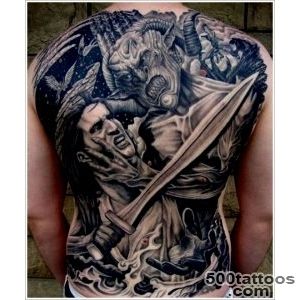
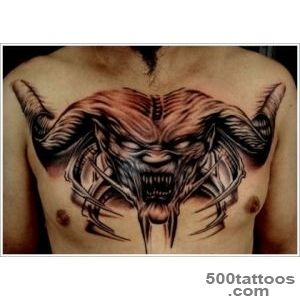
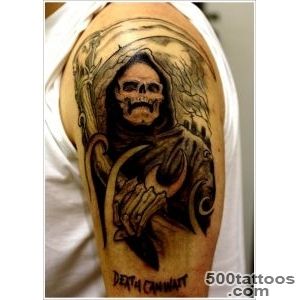
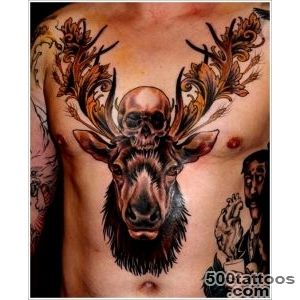
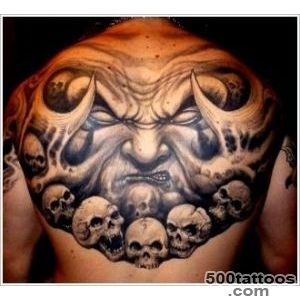
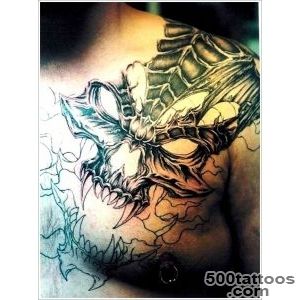
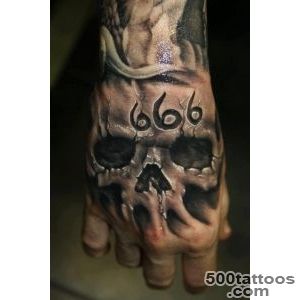
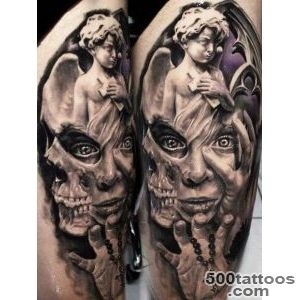
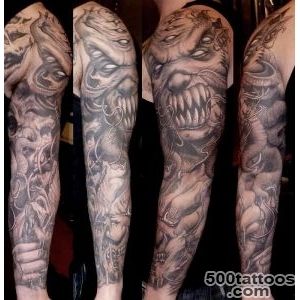
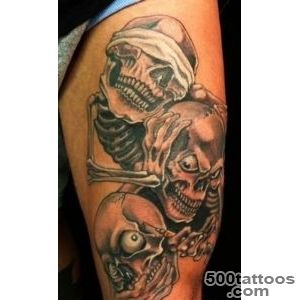
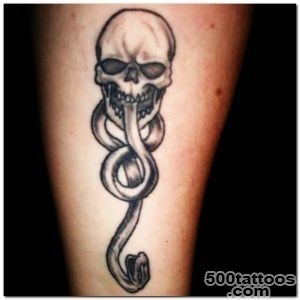
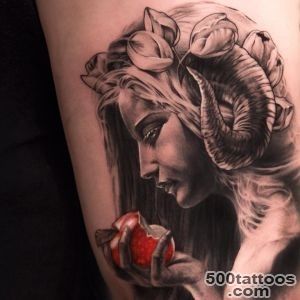
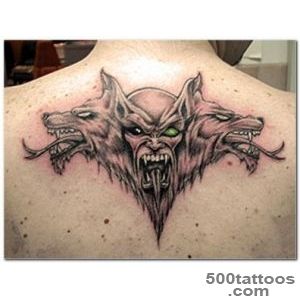
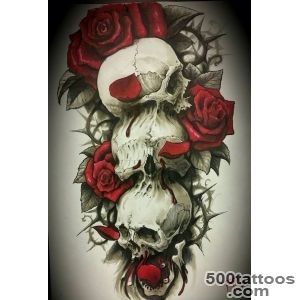
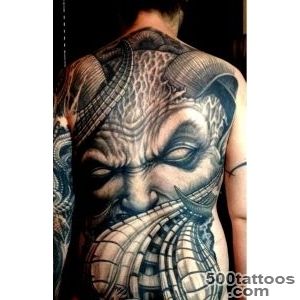
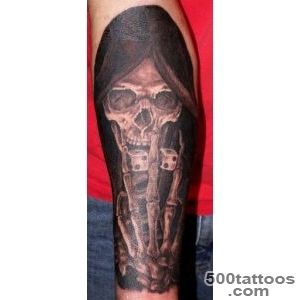
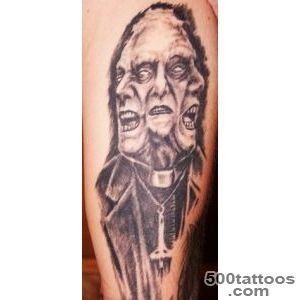
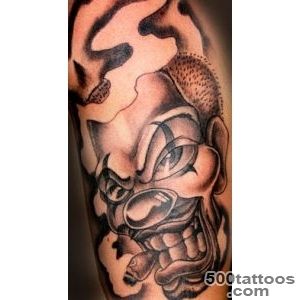
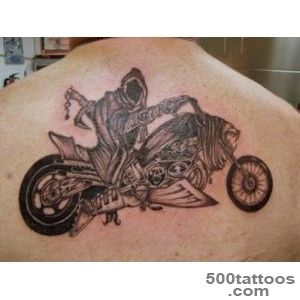
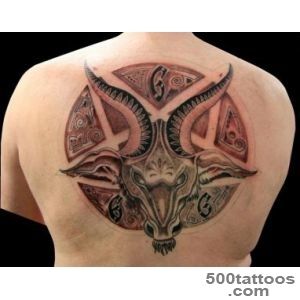
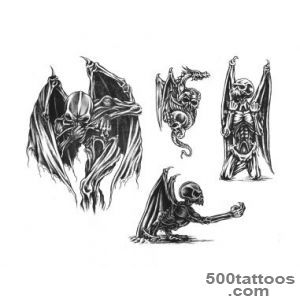
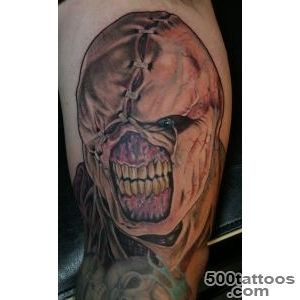
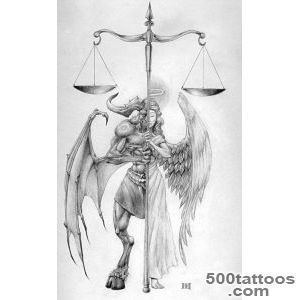
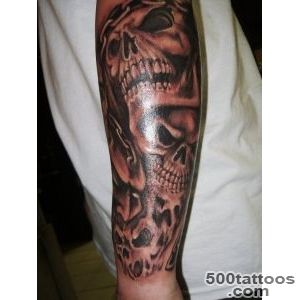
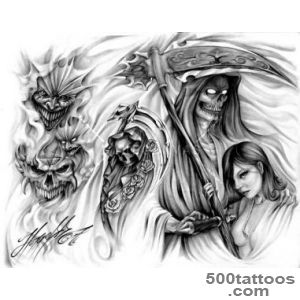
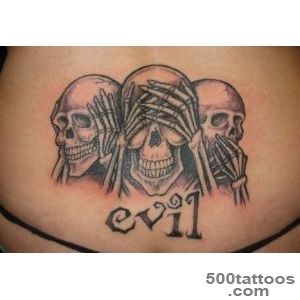
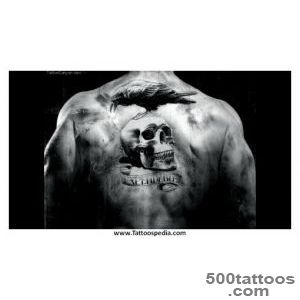
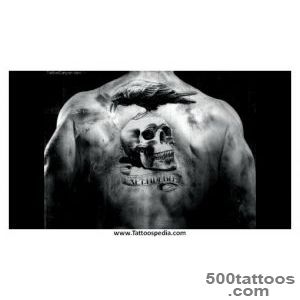
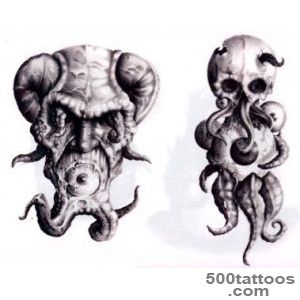
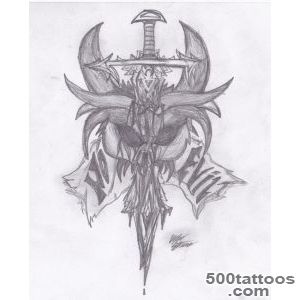
Demons and devils range from traditional horned figures to elaborate Baphomet or fallen angel designs. Skulls-realistic, stylized, or sugar skull variations-are versatile dark symbols. Snakes, ravens, and wolves carry predatory or ominous associations. Horror movie icons and dark fantasy creatures appeal to genre fans.
Style options
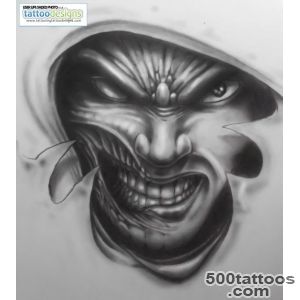
Blackwork and black-and-gray give evil tattoos dramatic contrast and a serious tone. Traditional style adds bold outlines and a classic tattoo feel. Realism makes demons and creatures disturbingly lifelike. Illustrative and neo-traditional styles allow for more creative, artistic interpretations that feel less literal.
Placement considerations
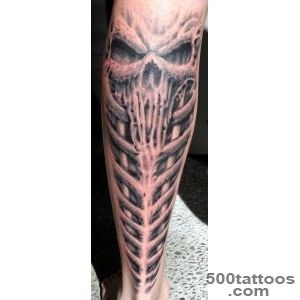
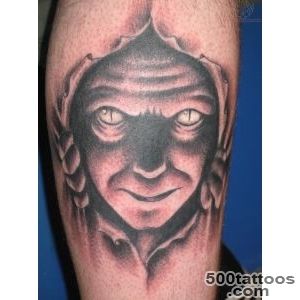
Larger evil designs suit backs, chests, and sleeves where detail and drama have room to breathe. Smaller symbols (single skull, small demon) fit forearms, calves, or hands. Consider visibility-some workplaces or social contexts may react negatively to overtly dark imagery.
Balancing edge with artistry
The best evil tattoos are well-designed and thoughtfully placed, not just shocking for shock's sake. Work with an artist who understands dark subject matter and can execute it with skill. The goal is a piece you're proud of, not one that feels like a regrettable impulse.
Evil tattoo designs and images